.png)

.png)

Structured hybrid. Stronger EX measurement. Unified platforms.
After several years of experimentation, debate, and policy reversals, workplace experience is entering a more disciplined phase. In 2026, the focus shifts from adjusting hybrid strategies to executing them consistently, measurably, and at scale. Enterprises are no longer asking whether hybrid work can function; they’re asking how to run it reliably, measure it meaningfully, and support it with systems that reduce friction rather than create it.
Signals from workplace research, employee engagement data, and digital workplace platforms point to three defining shifts for 2026: hybrid work becomes structured rather than informal, employee experience (EX) measurement becomes operational rather than episodic, and unified platforms become a strategic requirement rather than a convenience. Together, these shifts reflect a broader maturity in how organizations think about experience as a driver of performance.
1) Hybrid work becomes structured

Hybrid work remains the dominant model across large enterprises, but it is changing in character. Flex Index data shows that the majority of Fortune 100 companies continue to operate in hybrid modes, with three in-office days per week remaining the most common pattern. At the same time, organizations are reducing ambiguity by clarifying expectations and narrowing variability across teams.
This does not signal a wholesale return to rigid mandates. Instead, it reflects a growing recognition that unstructured flexibility creates hidden costs: inconsistent collaboration, uneven access to leadership, and employee confusion about when and why to be on-site. As hybrid work matures, leaders are increasingly designing it intentionally, anchoring attendance around moments that genuinely benefit from in-person interaction.
Research from JLL reinforces this shift. The Workforce Preference Barometer shows that employees respond more positively to hybrid expectations when those expectations are clear, consistent, and tied to meaningful work. New JLL research released in January 2026 highlights how experience gaps widen when workplace strategies lack coherence across roles, locations, and days of the week.
In 2026, successful hybrid organizations will treat presence as a design choice rather than a mandate. They will define team-level rhythms, identify critical collaboration moments, and ensure that on-site time delivers value that cannot be replicated remotely. Organizations that fail to do so risk perpetuating the fragmentation that has characterized much of the hybrid era to date.
2) Employee experience measurement becomes an operating cadence

As hybrid work stabilizes, the limitations of traditional employee experience measurement are becoming more apparent. Annual engagement surveys, while useful for benchmarking, offer little guidance for managing experience in real time. They also struggle to capture the variability of hybrid work, where experience can differ dramatically by role, manager, or location.
Gallup’s most recent global engagement findings, released in April 2025 and reinforced through coverage later that year, underscore the urgency of this issue. Global engagement declined, driven largely by falling manager engagement. Managers play a disproportionate role in shaping day-to-day experience, and when they are overloaded or disengaged, the effects ripple across teams.
In response, organizations are shifting from episodic measurement to operational insight. Rather than tracking dozens of sentiment metrics, leaders are focusing on a smaller set of experience outcomes tied directly to work: onboarding speed, adoption of core tools, communication reach, service resolution time, and early indicators of retention risk.
In 2026, employee experience measurement is increasingly embedded into management rhythms. Listening signals, behavioral data, and service metrics are reviewed together, enabling earlier intervention and more targeted action. The goal is not more data, but clearer insight into where friction is occurring and how it affects performance.
3) Unified platforms become a strategic necessity

As organizations refine hybrid strategies and measurement approaches, a structural challenge remains: fragmentation. Employees often navigate a patchwork of systems to complete even simple tasks, from finding information to requesting support or coordinating time and space. Over time, this friction erodes productivity and experience alike.
The rise of AI-enabled work intensifies this challenge. Microsoft’s 2025 Work Trend Index describes a future in which humans collaborate with AI agents across workflows. Without a coherent experience layer, these advances risk amplifying complexity rather than simplifying work.
Deloitte’s 2025 Global Human Capital Trends report highlights a related tension between productivity and human sustainability. As organizations face pressure to do more with less, simplifying how work gets done becomes one of the most effective levers available.
On the technology side, Forrester’s most recent Wave on EX management platforms points to market convergence around integrated, action-oriented solutions. In 2026, unified platforms are increasingly viewed as core infrastructure that reduces cognitive load, enables consistent communication, and supports continuous measurement and improvement.
The 2026 readiness checklist
✅ Define hybrid moments that matter and align attendance expectations accordingly.
✅ Set team-level norms based on workflows rather than blanket mandates.
✅ Limit EX measurement to a focused set of outcomes tied to real work.
✅ Pair sentiment data with operational metrics such as adoption and resolution time.
✅ Identify and redesign the most friction-heavy employee workflows end to end.
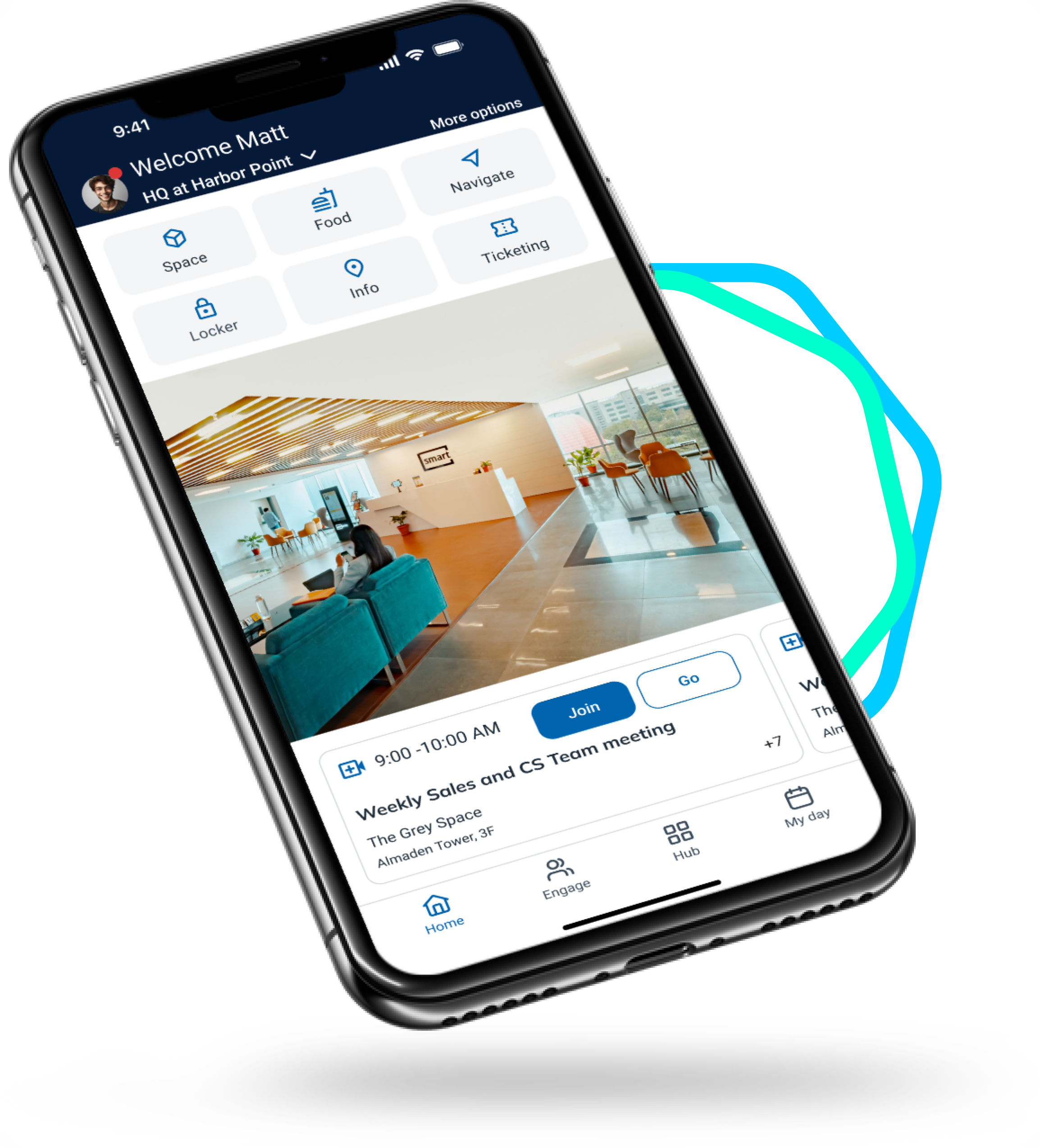
✅ Reduce tool sprawl by creating a unified entry point for work and services.
✅ Equip managers with clear guidance and lightweight actions to improve daily experience.
Looking ahead
2026 will be remembered as the year organizations learned how to run hybrid environments with discipline, clarity, and intention. Those that invest in structured hybrid rhythms, operational measurement, and unified platforms will be best positioned to scale culture, performance, and engagement in an increasingly distributed world.
If you’re rethinking hybrid execution, EX measurement, or platform consolidation this year, learn how leading enterprises are operationalizing workplace experience:
https://hubs.la/Q03RMsb80
Discover more: https://hubs.la/Q03RMsb80